

What Is a Bathtub Floor Tent?
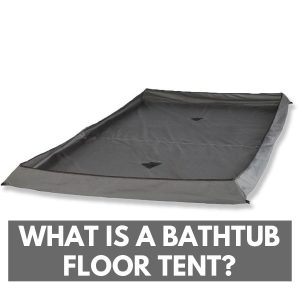
A bathtub floor is a waterproof tent floor with raised edges that extend several inches up the sides of the tent. This keeps the seams between the floor and walls away from wet ground and helps stop rainwater, mud and surface runoff from getting inside.
If you’re a keen camper, chances are you’ve already used a tent with a bathtub floor without even realizing it. Most modern tents use some variation of this design, from tiny backpacking shelters to larger family and even insulated tents.
The name comes from the shape. Instead of the waterproof floor ending flat at ground level, the edges rise up around you a little like the sides of a shallow bathtub or tray.
Bathtub floors now come in different heights, materials and weights. They became popular because raising the waterproof floor above ground level gives much better protection from rain splashing under the fly, water running across the campsite and wet vegetation pressing against the lower walls.
What Does Bathtub Floor Mean in a Tent?
A bathtub floor is a waterproof floor that curves or joins into raised waterproof sides around the bottom of the tent. The important part isn’t necessarily that the material is thicker, but that the waterproof section continues upwards before joining the more breathable tent walls.
This moves vulnerable seams away from the wettest part of the shelter and creates a waterproof basin underneath you. Even fully enclosed blackout tents often use this basic construction.
Why Do Tents Have Bathtub Floors?
The main reason is simple: water collects and moves along the ground. If the seam between the tent wall and floor sits directly at ground level, rainwater, mud and splashes have a much easier route into the shelter.
By extending the waterproof floor several inches upwards, the tent creates a protective barrier around the sleeping area. This is especially useful during heavy rain or when the ground becomes saturated after you’ve already pitched.
What Are the Benefits of Tent Bathtub Floors?
There are several advantages to a bathtub floor compared with a completely flat groundsheet design. The biggest are better weather protection, improved durability around the bottom of the tent and better separation between you and wet ground.
Better Protection From Surface Water
The raised waterproof sides help stop rainwater and shallow runoff from entering underneath the tent walls. If you’re camping on wet grass or the ground becomes saturated overnight, that extra height gives you much more protection than a seam sitting directly against the ground.
A bathtub floor won’t save you if you pitch in a genuine puddle or drainage channel, though. Choosing a sensible campsite is still far more important than relying on the floor to deal with flowing water.
Protection From Wind-Blown Sand and Dirt
The raised sides also create a physical barrier against loose debris. This can be particularly useful when camping on beaches, deserts or sandy ground, where wind can otherwise push sand underneath the outer fly and straight into the sleeping area.
It won’t completely stop fine dust entering through mesh and ventilation openings, but it makes a noticeable difference around ground level.
Better Protection for the Tent Floor
Tent floors normally use waterproof materials or coatings designed to withstand prolonged contact with damp ground. Depending on the tent, the floor may also use a higher-denier or more abrasion-resistant fabric than the canopy above it.
That doesn’t make the floor indestructible. Sharp rocks, thorns and sticks can still puncture lightweight materials, which is why campsite preparation and sometimes an additional footprint are still worthwhile.
Helps Keep Insects and Small Critters Out
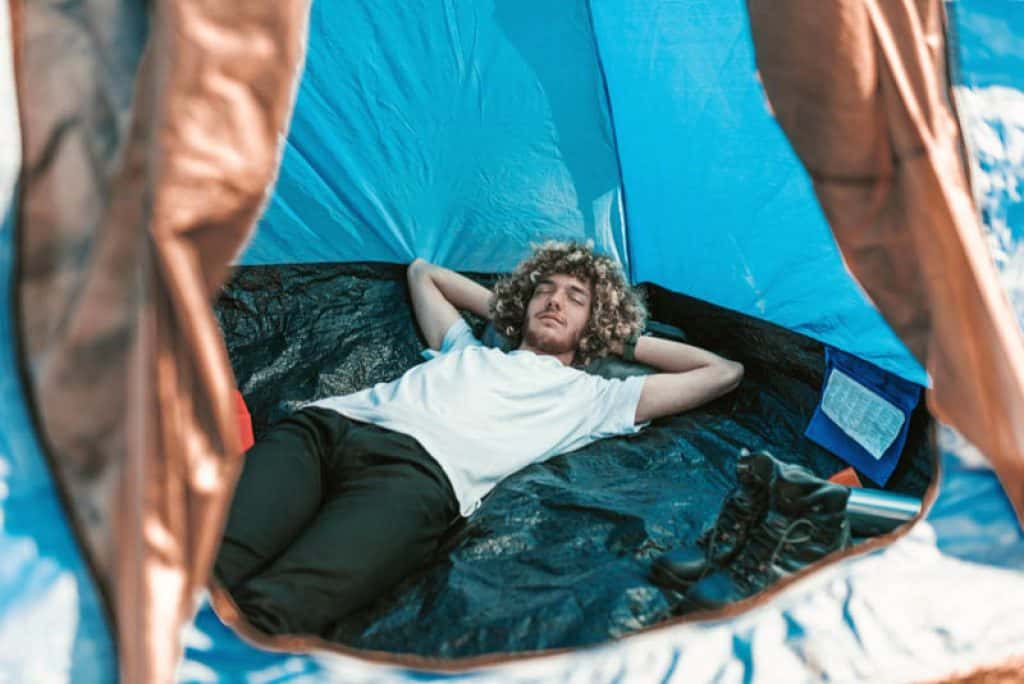
The continuous floor and raised sides also remove gaps around the bottom of the sleeping compartment. Combined with zipped doors and mesh, this gives much better protection from crawling insects than an open floorless shelter.
It isn’t rodent-proof, however. Rodents can chew through surprisingly tough materials, so food still needs to be stored properly rather than relying on the tent floor to keep animals out.
What Are the Downsides of Bathtub Floors in Tents?
There aren’t many serious disadvantages because the design has become standard for good reason. There are, however, a few compromises worth knowing about.
Slightly Less Ventilation at Ground Level
The waterproof section of a bathtub floor obviously doesn’t breathe like mesh or lightweight tent fabric. The higher the bathtub sides rise, the less airflow you get right at ground level.
In practice, modern tents normally compensate with mesh panels, vents and gaps beneath the fly. I would therefore pay much more attention to the overall ventilation design than worry about the bathtub floor itself.
Raised Edges Can Be a Trip Hazard
The entrance to a bathtub floor often has a small raised lip. In a large family tent where people are walking in and out all day, that can catch a foot, especially with children running around the campsite.
In smaller backpacking tents this isn’t normally much of an issue because you’re crawling or kneeling through the entrance anyway.
Sand and Water Can Be Awkward to Remove
The same raised sides that keep water and dirt out can also keep anything that gets inside trapped there. Spilled water, sand and grit can’t simply be brushed straight out through an open edge.
A small brush or cloth works well while the tent is pitched. Once you’ve packed everything else away, lifting and tipping the tent is usually the easiest way to remove the remaining debris.
Potential Weight Penalty
A bathtub floor may use stronger material than the upper tent body and obviously requires enough fabric to extend up the walls. That can add some weight compared with an extremely minimalist floorless shelter.
Modern lightweight tents have reduced this penalty enormously, though, and I wouldn’t regard a bathtub floor as unnecessary weight on a normal three-season tent.
Making a Hole in a Bathtub Tent Floor
It might be tempting to make a small drainage hole in the floor if you’re regularly dealing with sand, dirt or spilled water. I strongly recommend against doing this.
The entire purpose of the bathtub design is to create a continuous waterproof barrier. Cutting a drainage hole deliberately creates a weak point where water can enter from underneath and can also allow insects through.
If water gets inside, use a cloth or sponge to remove it. For sand and grit, a small camping brush works well, and leaving muddy boots outside the sleeping compartment prevents most of the problem in the first place.
Do You Need a Tarp With a Bathtub Floor Tent?
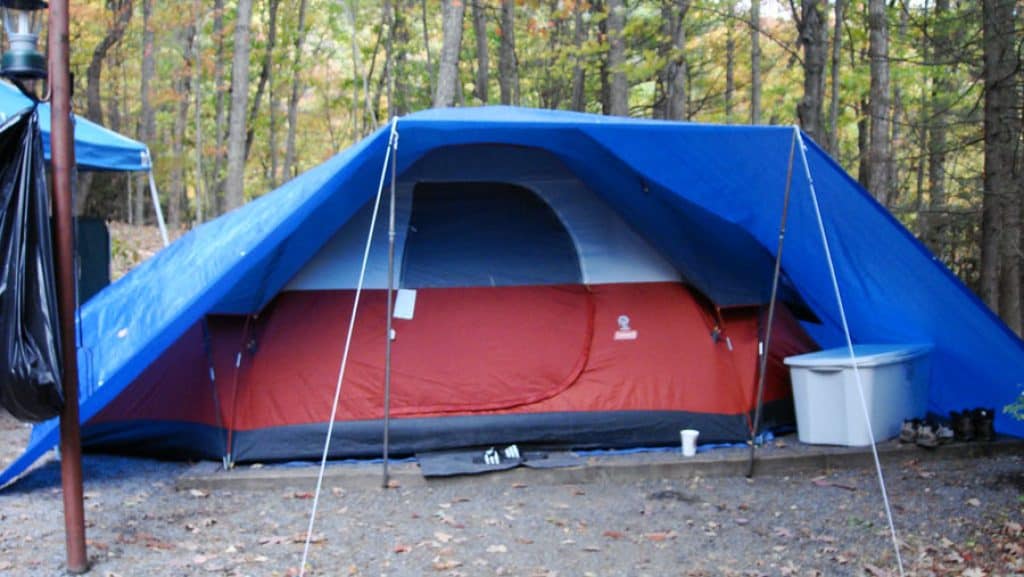
Usually, no. A well-made bathtub floor should already be waterproof enough to use directly on suitable ground, and many tents are designed to be pitched without any additional layer underneath them.
However, a strong tarp or purpose-made footprint can protect a thin tent floor from abrasion and punctures. This is especially useful with ultralight backpacking tents where the floor fabric may deliberately be very thin to reduce weight.
The hydrostatic-head rating tells you how much water pressure a fabric can withstand before water begins passing through it. A higher number generally indicates greater resistance to water pressure, but construction quality, coatings and seam sealing matter as well.
Many lightweight trekking tents now use bathtub floors made from very light fabrics. A footprint can increase their lifespan by taking the abrasion from small rocks and grit before the actual tent floor does.
If you’re unsure whether carrying one is worthwhile, our guide to putting a tarp underneath a tent explains when I think the extra layer is useful and when I would leave it at home.
How High Should a Bathtub Floor Be?
There isn’t one perfect height. Most bathtub floors rise several inches above the ground, which is normally enough to keep the floor-to-wall seam away from splashing rain and shallow surface water.
Higher sides offer greater protection but can slightly reduce airflow near the ground. Extremely high bathtub walls also make the shelter feel a little more enclosed, which is why tent designers balance weather protection against ventilation.
Why Is the Bathtub Floor Often Made From Different Material?
Tent floors have to do a very different job from the canopy. The upper tent body needs to be lightweight and breathable, while the floor has to remain in prolonged contact with damp, abrasive ground while supporting the pressure created by you and your equipment.
For this reason, manufacturers often use a higher-denier fabric, a stronger waterproof coating or a different laminate on the floor. Some ultralight tents deliberately use very thin floor fabrics instead, relying on advanced coatings and careful campsite selection to save weight.
So it isn’t quite accurate to say that thicker material automatically means better waterproofing. Fabric thickness can improve durability, but hydrostatic-head performance mainly depends on the complete fabric and waterproof coating or laminate.
Does a Bathtub Floor Stop a Tent From Flooding?
A good bathtub floor can protect you from wet ground, splashing rain and shallow surface water, but it cannot turn a badly chosen campsite into a safe one. If you pitch in a hollow where several centimetres of water collect, the floor may eventually be overwhelmed or water may enter through doors and ventilation openings.
The best strategy is still to pitch on slightly raised, well-drained ground and avoid obvious channels where water could flow during heavy rain. Think of the bathtub floor as extra protection rather than permission to camp in a puddle.
Final Thoughts
Bathtub floors have become standard on modern tents because the design is simple and effective. Raising the waterproof floor several inches above ground level keeps vulnerable seams away from wet ground and gives you much better protection from splashes, mud, sand and surface moisture.
The main thing to remember is that the term describes the shape and waterproof construction, not simply a thicker piece of fabric. A lightweight backpacking tent can have an excellent bathtub floor even when the material itself feels extremely thin.
For most camping, I would much rather have a properly constructed bathtub floor than a completely flat groundsheet. Add sensible campsite selection and, where appropriate, a lightweight footprint underneath, and you have a much better chance of waking up dry.





[…] appropriately and give you enough ventilation to avoid condensation buildup. A tent with a bathtub floor will keep you dryer than one without, especially in long grass or wet […]