If you uncover an old gas canister or bottle of liquid stove fuel in the back of the shed, you might be wondering: does camp fuel go bad? The answer depends entirely on the fuel. Sealed propane, butane and isobutane do not really go stale, while liquid fuels such as white gas can deteriorate after long storage or repeated exposure to air.
Camping stove fuel is exactly the kind of thing that gets used a few times, pushed to the back of a cupboard and rediscovered years later. Half-used gas canisters are especially easy to accumulate because you never quite know how much is left, so taking a fresh one often feels safer than risking running out halfway through dinner.
Liquid fuel is easier to inspect and measure, but some types genuinely can deteriorate. Old fuel can also leave deposits inside a stove, so if you’re dealing with something that has been sitting around for years, it is worth taking a few seconds to identify exactly what it is before lighting it.
Does Camp Fuel Go Bad?
Some camping fuels go bad and some effectively don’t. The important thing is to separate the fuel itself from the container holding it.
Compressed gases such as propane, butane and isobutane are very stable. If they remain sealed inside a sound, corrosion-free canister, the gas does not degrade in the same way petrol does.
Liquid petroleum fuels such as white gas are different. Exposure to oxygen, moisture, heat and contamination can gradually change the fuel and leave gums or varnish-like residues behind.
Alcohol-based stove fuels also store very well when sealed properly, but they can evaporate or absorb moisture if repeatedly opened or stored in a poor container.
Camping Fuel Shelf Life
There isn’t one universal camping-fuel expiry date, and I wouldn’t throw away perfectly good fuel simply because it crossed an arbitrary birthday. These are better treated as practical guidelines rather than exact countdown timers.
Gas Canisters: Fuel Does Not Really Expire

Propane, butane and isobutane do not meaningfully go stale inside a sealed canister. If the container remains intact and the valve still seals properly, old fuel can continue to burn normally many years later.
The weak point is the metal canister rather than the gas. Rust, dents, damaged threads, degraded valves or any sign of leakage are reasons to stop using it regardless of how much fuel is left.
I wouldn’t put a precise “20-year safe life” on every canister because construction and storage conditions vary. If you’ve found a genuinely ancient canister, inspect it very carefully and replace it if there is any doubt.
White Gas: Can Deteriorate Over Time
White gas, camp fuel and similar light petroleum distillates do not store forever once repeatedly exposed to air. Over time, oxidation and evaporation of the lighter fractions can change how the fuel burns and create deposits.
An unopened container stored somewhere cool and stable can remain usable for years, while fuel in a partly empty bottle will usually age faster because there is more air inside the container.
The old rule of roughly 5-7 years unopened and much less once opened is a reasonable conservative guideline often repeated for Coleman-style liquid camp fuel, but I wouldn’t treat it as a universal scientific expiry date for every brand and storage condition.
Coleman also advises against leaving liquid fuel sitting inside a stove during storage because deposits can build up in the fuel tube and restrict flow to the generator and burner. :contentReference[oaicite:1]{index=1}
Methylated Spirits and Alcohol Fuel
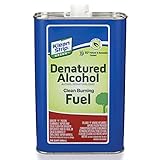
Methylated spirits, denatured alcohol and similar alcohol stove fuels generally have an excellent storage life when kept in a properly sealed fuel bottle.
The main issues are evaporation and water absorption rather than the alcohol turning into something completely different. Alcohols are hygroscopic, which means they can pull moisture from the air if the container is repeatedly opened or poorly sealed.
Trangia specifically recommends storing fuel in a dedicated safety fuel bottle and says not to leave alcohol fuel sitting in the burner after use. :contentReference[oaicite:2]{index=2}
Camping Fuel Shelf Life Guide
| Fuel Type | Practical Storage Life | Main Thing to Check |
|---|---|---|
| Propane | Fuel itself stores for decades | Rust, valve condition, leaks |
| Butane / Isobutane | Fuel itself stores for decades | Canister corrosion, dents, threads, valve |
| White Gas / Camp Fuel | Several years sealed; shorter once opened | Colour, contamination, age, smell, stove deposits |
| Denatured Alcohol / Meths | Many years when tightly sealed | Evaporation, water contamination, damaged container |
Those are deliberately broad ranges because storage conditions matter enormously. A properly sealed bottle stored somewhere cool and dry can survive far longer than the same fuel sitting half-full in a hot shed for years.
How to Check if Camp Fuel Has Gone Bad
Old liquid fuel is more likely to cause trouble than an old sealed gas canister. If you’re inspecting liquid stove fuel, these are the main things I would check.
How Old Is It?
Age isn’t an automatic reason to throw fuel away, but it tells you how cautious to be. Fuel bought last season and stored properly is very different from an unlabelled half-bottle you found behind a lawnmower that nobody remembers buying.
If you don’t know what the liquid is, don’t experiment with it. Dispose of unidentified fuel through an appropriate hazardous-waste route.
Look for Contamination
Fresh white gas is normally clear. If it has become noticeably darker, cloudy or contains sediment or visible contamination, I wouldn’t put it through an expensive stove.
Old petroleum fuel can oxidize and form gums or varnish-like deposits. Those residues are exactly the sort of thing that can block jets, generators and tiny fuel passages.
Check the Container
For gas canisters, the condition of the container matters more than the age of the gas. Look for:
- Rust or deep corrosion
- Bulging or distortion
- Major dents
- Damaged valve threads
- Hissing or any sign of leakage
If any of those are present, don’t connect the canister to your stove.
Don’t Stick Your Nose Over Old Fuel
The old version of this article recommended comparing good and bad fuel by smell. You will often notice that degraded petroleum fuel smells different, but deliberately taking a big sniff of fuel vapour isn’t a good test.
If you notice a strange smell while handling it normally, fine. Don’t lean over the bottle and inhale fumes to investigate.
What Happens if You Use Old Camp Fuel?
Old or contaminated white gas may burn poorly, produce more soot or leave deposits inside the stove. Fine jets and fuel tubes are particularly vulnerable to gum and varnish produced by degraded petroleum fuels.
If a stove that normally burns cleanly starts producing an unusual yellow flame, heavy soot or erratic output immediately after you filled it with questionable old fuel, I would stop using that fuel rather than trying to burn through the problem.
With compressed gas, the much bigger risk is usually a damaged container or bad valve rather than spoiled fuel.

What Is the Best Way to Store Camp Fuel?
Camp fuel should be stored according to the instructions printed on the container and away from ignition sources, excessive heat and direct sunlight. Don’t leave pressurized canisters somewhere that can become extremely hot, such as a vehicle baking in summer sun.
Liquid fuel belongs in an approved, clearly labelled fuel bottle with the cap tightly closed. Don’t use old drinks bottles or random containers that somebody could mistake for water.
Trangia recommends using a proper safety fuel bottle for alcohol fuel and emptying the burner after cooking rather than storing fuel inside it. :contentReference[oaicite:3]{index=3}
For gas canisters, keep them dry enough that the steel doesn’t start rusting and inspect the valve and container before reconnecting them after long storage.
How to Dispose of Camping Fuel Safely
The safest option for unwanted liquid fuel or a questionable pressurized canister is to check with your local waste or household hazardous-waste authority. Rules vary by location, and pressurized cylinders are not accepted in ordinary recycling everywhere.
There are methods for preparing completely empty camping canisters for metal recycling, and this guide to recycling camping fuel canisters discusses the general process. However, don’t puncture or modify a canister that still contains fuel unless the manufacturer and your local recycling authority specifically say to do so.
MSR also has a useful guide to recycling IsoPro canisters. The old version of this article described this as an exchange program, but the page is better treated as recycling guidance rather than assuming a current exchange scheme is available everywhere.
Does Butane Expire?
No, butane itself does not have a conventional expiry date. Sealed butane can remain usable for many years because the gas is chemically stable under normal storage conditions.
The container is what you need to worry about. A ten-year-old canister in immaculate condition is a very different proposition from one covered in rust with a questionable valve.
If the canister looks damaged or the valve does not seal properly, replace it rather than trying to get your money’s worth from the last few grams of gas.
Does Propane Expire?
Propane is similar. The fuel itself doesn’t go stale in storage, but cylinders, seals and valves need to remain safe and serviceable.
Larger refillable propane cylinders may also be subject to inspection, certification or requalification requirements depending on where you live, so don’t assume that “propane lasts forever” means every old cylinder can legally or safely remain in service forever.
Does Jetboil Fuel Expire?
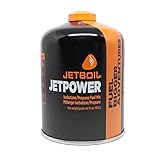
Jetboil JetPower is a compressed propane/isobutane blend, so the fuel itself does not spoil like old petrol. Jetboil currently describes JetPower as a propane/isobutane four-season fuel designed to maintain useful vapour pressure in colder conditions. :contentReference[oaicite:4]{index=4}
An old JetPower canister can still be usable if it has been stored properly and remains in excellent condition. Again, inspect the threads, valve and metal body rather than relying on age alone.
If you want to know how much gas is left, weighing the canister is still one of the easiest methods. Jetboil even sells the JetGauge specifically for estimating remaining fuel in 100 g, 230 g and 450 g backpacking canisters. :contentReference[oaicite:5]{index=5}
Is It OK to Use 20-Year-Old Coleman Fuel?
It depends on what you mean by Coleman fuel.
If you’re talking about a sealed propane canister or cylinder, the gas itself may still be fine, but I would inspect a 20-year-old container very carefully before considering using it.
If you mean traditional liquid Coleman-style white gas that has genuinely been sitting around for two decades, I personally wouldn’t bother putting it through a stove. Fresh white gas is relatively cheap compared with the hassle of cleaning varnish and deposits from a fuel system.
That is especially true if the container has already been opened. At that point, I’d dispose of it properly and start with fresh fuel rather than trying to prove that a 20-year-old bottle still works.
Does Denatured Alcohol Expire?
Denatured alcohol can last a very long time if the container remains tightly sealed. It doesn’t form the same petrol-style gum and varnish deposits that make old white gas problematic.
Its biggest enemies are evaporation and contamination with water. Keep it sealed in an appropriate fuel container and it can remain useful for years.
How Can You Tell How Much Gas Is Left in a Canister?
The simplest method is to weigh it. The canister should have a tare or empty weight, or you can record the weight of a new full canister before your first trip and compare it after each use.
I’ve always liked the simple method of writing the weight on the canister with a marker. It saves picking up three half-used cans before every trip and wondering which one actually has enough gas left to cook dinner.
Final Thoughts
So, does camp fuel go bad? Liquid petroleum fuel can deteriorate, while propane, butane and isobutane generally do not. With compressed gas, the condition of the canister usually becomes the limiting factor long before the gas itself.
White gas deserves more caution after years of storage, especially once the bottle has been opened. Alcohol fuel is generally very stable when sealed but should still be protected from evaporation and moisture.
If you’re unsure what an old fuel is, the container is rusty or damaged, or the liquid has obviously changed appearance, don’t gamble an expensive stove or your eyebrows on it. Fresh camp fuel is cheap.