Are Mittens Warmer Than Gloves?
Yes, mittens are generally warmer than gloves. Mittens trap the heat from your fingers together in one larger space, while gloves separate each finger into its own compartment. Mittens also have less total surface area exposed to the cold, which helps reduce heat loss.
If you’re heading out for a winter day on the hill, choosing between mittens and gloves can be surprisingly difficult. The mittens vs gloves debate can feel almost as divided as skiing vs snowboarding, but the best choice really depends on how cold your hands get and how much dexterity you need.
Mittens and gloves can both work well for skiing, snowboarding, winter climbing, hiking and everyday cold-weather use. The main difference is simple: mittens usually win for warmth, while gloves win for dexterity.
Why Are Mittens Warmer Than Gloves?
The main reason mittens are warmer is that your fingers share the same insulated space. Instead of each finger having to retain its own warmth, the heat from all four fingers collects inside one larger compartment and helps warm the whole hand.
Mittens also have less surface area exposed to cold air than a glove with five separate fingers. Less surface area means less opportunity for heat to escape, and there are usually fewer seams where cold air and moisture can potentially find their way in.
This doesn’t mean every mitten is automatically warmer than every glove. A thin mitten can still be colder than a heavily insulated winter glove, so insulation, wind protection, waterproofing and fit all matter too.
What Is the Difference Between Gloves and Mittens?
Gloves and mittens both cover the palm and protect your hands from cold weather, but the finger design is different. Mittens keep your four fingers together in one section with a separate thumb, while gloves give every finger its own compartment.
Because your fingers move independently in gloves, you can do far more with your hands. A good pair of outdoor gloves makes it much easier to use a camera, open zips, handle climbing equipment, adjust ski bindings or perform any task that requires fine movement.
Mittens sacrifice some of that control for extra warmth. Having your fingers together is a little like putting them all inside the same sleeping bag rather than giving each one its own tiny sleeping bag.
Benefits of Mittens
- Mittens are generally warmer. Your fingers share heat instead of each digit having to retain warmth independently.
- They have less exposed surface area. This helps reduce heat loss and usually means fewer seams than a comparable glove.
- They are easy to put on and take off. If you remove them to adjust a zip or open a snack, getting your hand back inside is normally quick and easy.
- They can be better for children. Anyone who has tried to line up a small child’s fingers with five separate glove compartments will understand why mittens are so much easier.
- They are excellent for people with cold hands. If your fingers regularly go numb inside gloves, switching to a well-insulated mitten can make a noticeable difference.
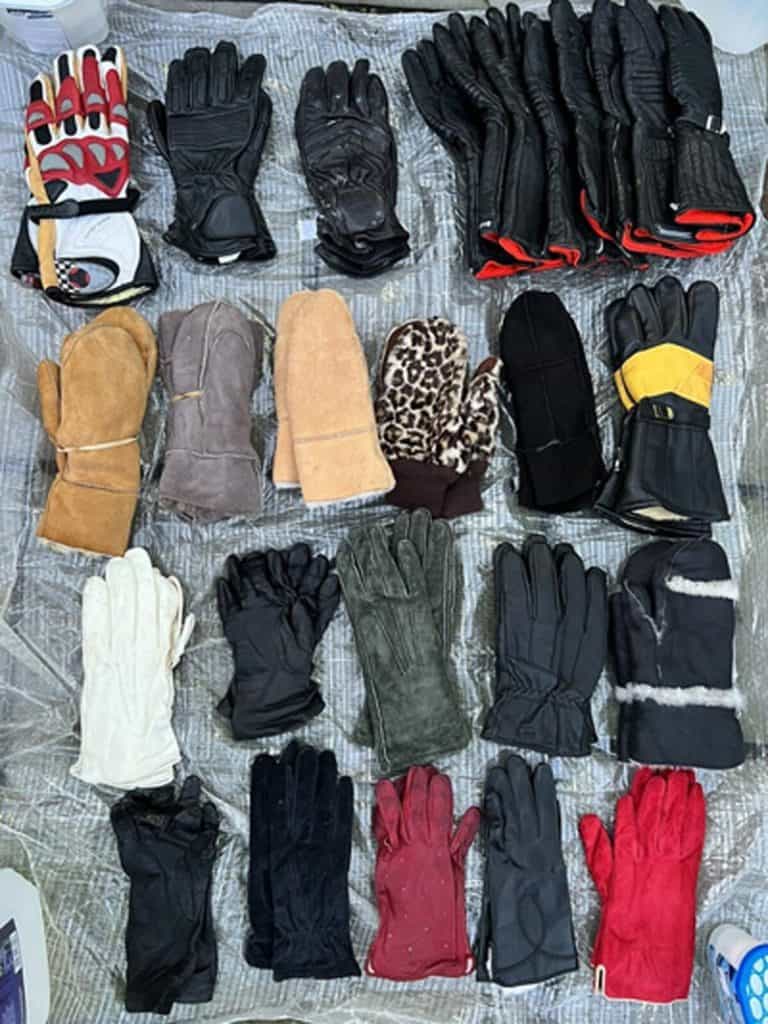
Benefits of Gloves
- Gloves give you much better dexterity. Using cameras, opening snacks, holding ski poles, fixing bindings and handling equipment is far easier when every finger can move independently.
- They usually give better grip and control. This can matter for skiing, climbing and technical winter activities where you need to hold equipment securely.
- Gloves can feel more comfortable in milder conditions. Because every finger is separated, they often feel less hot and bulky when temperatures aren’t especially low.
- You may not need to remove them as often. Being able to perform small tasks while keeping your gloves on can prevent your hands from being exposed to cold air in the first place.
Are Mittens Always Warmer Than Gloves?
No. The basic mitten design has a thermal advantage, but the actual warmth depends heavily on the materials and construction.
A heavily insulated waterproof glove will obviously be warmer than a thin knitted mitten. You also need to consider how much insulation is used, whether the outer blocks wind, how waterproof the shell is and whether the glove or mitten fits properly.
Fit matters more than many people realise. If gloves or mittens are so tight that they compress the insulation or restrict blood circulation in your fingers, your hands can actually become colder.
Wearing Gloves Inside Mittens
Whether you choose gloves or mittens, thin liner gloves can be a worthwhile addition. They are particularly useful underneath mittens because they give you some finger protection when you temporarily remove the outer mitten.
This gives you a useful compromise between warmth and dexterity. If you need to adjust a zip, use your phone or sort out equipment, you can take the mitten off without immediately exposing bare skin to freezing conditions.
If you’re ski touring, liner gloves can also be useful on the climb. Your hands may become far too warm inside insulated mittens while you’re working hard uphill, so you can tour in the liners and put the warmer outer layer back on before descending.
Gloves Vs Mittens for Skiing
Gloves are popular with skiers because holding poles, adjusting boots and dealing with equipment is easier when your fingers can move independently. That extra dexterity can be particularly useful if you’re repeatedly taking lifts, using zips or handling bindings throughout the day.
That doesn’t mean skiers shouldn’t wear mittens. If your hands get cold easily, warm mittens can be a much better choice, and most ski poles are perfectly usable while wearing them.
The traditional skiing vs snowboarding debate sometimes spills over into gloves versus mittens, but there really isn’t a rule saying one belongs to skiers and the other to snowboarders.
Gloves Vs Mittens for Snowboarding
Mittens are extremely popular with snowboarders because you don’t need to hold ski poles all day, so losing some finger dexterity isn’t usually as inconvenient. Snowboarders also spend plenty of time with their hands close to or touching the snow, which makes warmth and waterproofing particularly important.
The obvious downside is bindings. Snowboarders regularly have to fasten and release straps, and that job is definitely easier in gloves than bulky mittens.
Some riders solve this by wearing thin liner gloves underneath their mittens. You get the warmth of the mitten while riding and can quickly pull it off when you need full finger movement without exposing your bare hand.
What About Lobster Gloves?
Lobster-style gloves sit somewhere between a glove and a mitten. They normally group two or three fingers together while leaving others separate, giving you more shared warmth than a conventional glove without sacrificing quite as much dexterity as a full mitten.
They can be a good option for skiing, cycling and other winter activities where you need to grip equipment but still suffer from cold fingers. They aren’t quite as warm as a good mitten, but for some people they offer the best compromise.
Which Is Better: Mittens or Gloves?
If warmth is your main priority, I would choose mittens. Their shared finger compartment and smaller exposed surface area give them a natural advantage in cold conditions.
If you need to operate equipment, use tools or constantly handle small objects, gloves make much more sense. For extremely cold weather where I still need occasional dexterity, I like the combination of thin liner gloves underneath a pair of insulated mittens.
Ultimately, neither is universally better. Mittens are warmer, gloves are more dexterous, and the right choice depends on what you’re doing and how cold your hands tend to get.