I’ve tested a range of small padlocks and cable locks on tent zips to find out which ones are actually practical for camping. The best tent locks are surprisingly small: they need to fit through narrow zipper pulls, weigh very little, cope with outdoor use, and provide enough of a deterrent to make an opportunistic thief think twice.
For this update I went back through my recommendations, specifications and the different types of locks I have tested. My overall view hasn’t changed: trying to make a tent “burglar proof” with a massive padlock misses the point.
A determined thief can damage tent fabric or find another way inside. A good tent lock is about preventing somebody from casually unzipping your tent and making yours a less appealing target.
The locks below are therefore deliberately small and lightweight. I’ve included rigid-shackle and flexible-cable designs, plus a vibration alarm that adds a different type of security.
If tent theft is something you are worried about, I have also put together some additional tent security tips that are worth using alongside a lock.
5 Best Tent Locks for Camping (Plus a Tent Alarm)
How I Tested the Best Tent Locks
I don’t judge tent locks in quite the same way I would judge a lock for a bike, shed or gate. A tent is made from lightweight fabric and zippers, so there is little benefit in attaching an enormous high-security padlock to it.
When testing these locks, I focused on what actually matters when camping: whether the shackle fits through small zipper pulls, how easily it connects two zips, how much weight hangs from the tent fabric, how easy the combination is to operate, and whether the lock feels strong enough to resist being forced open by hand.
I also compared rigid shackles with flexible steel cables. Flexible cables are much easier to thread through awkward tent zips, while solid steel shackles provide more resistance to cutting.
My favorite overall is the ABUS 145/20 because it combines a tiny 23 g body with a solid steel shackle and a highly visible design. If your tent has awkward zipper pulls, I would choose the Master Lock 4697 instead because the flexible cable is much easier to position.
ABUS 145/20 C Aluminum Resettable Combination Padlock

- WEIGHT: 23 g / 0.8 oz
- SHACKLE: 3 mm thick
- LOCK STYLE: 3-digit combination with rigid steel shackle
- TSA APPROVED: No
BEST OVERALL
The ABUS 145/20 C Aluminum Combination Padlock is still my favorite tent lock overall. I’ve tested both rigid and flexible locks on tent zips and this is about as much physical lock as I think it makes sense to attach to lightweight tent fabric.
At only 23 g, you barely notice it hanging from the zipper and it doesn’t pull on the tent door like a heavier conventional padlock can.
It uses a 3 mm solid steel shackle rather than braided wire. Comparing the two styles, the solid shackle feels considerably harder to defeat with a small cutting tool than a similarly thin cable.
The trade-off is flexibility. You need to line your two zipper pulls up closely enough to pass the D-shaped shackle through them. On some tents this is incredibly easy; on others a cable lock is noticeably less fiddly.
I also like the bright colors of the ABUS 145 range. On a tent, visibility serves a purpose because somebody looking for an easy opportunity can see immediately that the zipper is secured.
The ABUS 145 series comes in several sizes, so check the holes in your zipper pulls before ordering. For most lightweight tents, I prefer keeping the lock as small as possible.
The combination of low weight, solid steel construction, weather-resistant aluminum body and high visibility is why the ABUS 145 remains my top choice.

Master Lock 4697EURDNKL Combination Travel Padlock
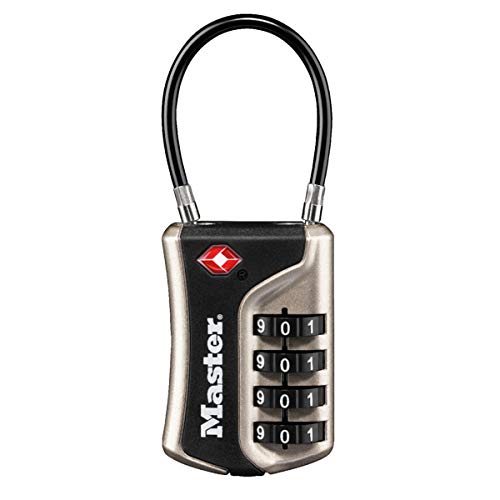
- WEIGHT: 90 g / 3.17 oz
- SHACKLE: 3 mm thick
- LOCK STYLE: 4-digit combination steel cable
- TSA APPROVED: Yes
BEST FLEXIBLE CABLE LOCK
The Master Lock 4697EURDNKL Combination Travel Padlock is the cable lock I would choose for tents with awkward zipper pulls.
This is where the flexible cable design really makes sense. Instead of perfectly aligning two small zipper holes, you can bend the braided cable through them with much less pulling on the tent.
The 3 mm cable is approximately 38 mm long, providing enough room to work with without leaving a huge loop hanging from the door.
It also uses a four-digit combination, giving 10,000 possible combinations compared with 1,000 on a three-digit lock. More importantly for me, there is no small key to lose while camping.
The 4697 is slightly heavier than the smallest locks here but still light enough for normal tent zippers. It can also double as a luggage or locker lock, and its TSA-approved design makes it useful for air travel.
If I couldn’t comfortably fit a rigid ABUS shackle through my tent’s zipper loops, this would be my next choice.
RioRand Trigger Lock 3 Digit Combination 15 Inch Gun Cable Lock
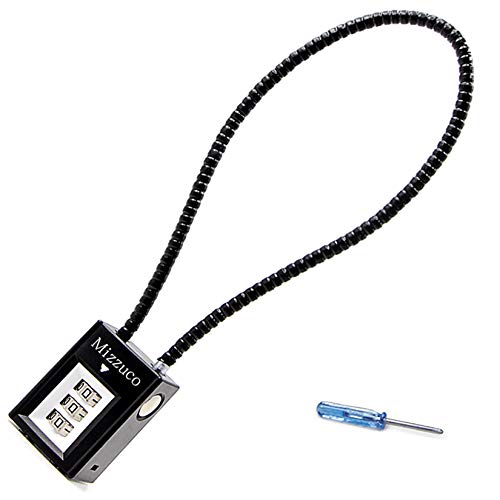
- WEIGHT: 198 g / 7 oz
- SHACKLE: 4.5 mm thick
- LOCK STYLE: 3-digit combination steel cable
- TSA APPROVED: No
BEST LONG CABLE
The RioRand Trigger Lock wasn’t designed as a tent lock, but its long steel cable gives it a completely different use from the smaller luggage locks above.
The cable is around 15 inches long. When I tested this style of lock on a tent, the extra length meant I wasn’t restricted to simply connecting one zipper pull to another. You can potentially run the cable through another suitable anchor point or piece of equipment inside the tent.
It uses a three-digit resettable combination and the 4.5 mm steel cable feels substantially heavier than the small cables used on most travel locks.
The disadvantage is weight. At around 198 g, I wouldn’t carry this simply to lock the door of a lightweight backpacking tent.
Where it makes sense is in a bigger camping setup where you can actually use the extra cable length. It is bigger than most people need, but it offers more options for securing equipment as well as the tent door.
Master Lock 4688D Combination Padlock
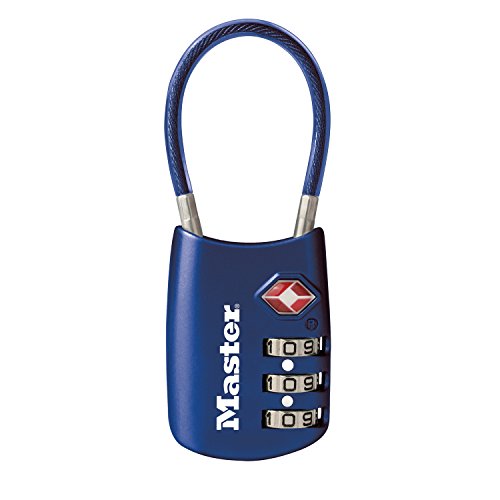
- WEIGHT: 65 g / 2.3 oz
- SHACKLE: 3 mm thick
- LOCK STYLE: 3-digit combination steel cable
- TSA APPROVED: Yes
BEST LIGHTWEIGHT CABLE LOCK
The Master Lock 4688D Combination Padlock is the smaller and simpler alternative to the Master Lock 4697.
I like this style of lock for tents because the flexible 3 mm braided-steel shackle makes it easy to get through two zipper pulls without forcing them into perfect alignment.
At around 65 g, it is noticeably lighter than the 4697 and works especially well on smaller tents where I don’t want a heavier lock hanging from the door.
The compromise is its three-digit combination rather than four, but for a tent I don’t see this as a major concern. The main purpose is stopping somebody from casually opening the zipper rather than defending against someone methodically trying every combination.
The Master Lock 4688D is small, light and one of the easiest locks I tested to use with tent zips.
Disecu 4 Digit Combination Outdoor Lock with Steel Cable
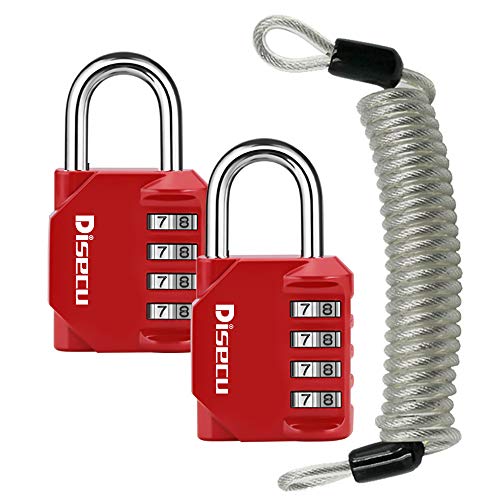
- WEIGHT: 125 g / 4.4 oz (per lock)
- SHACKLE: 4 mm
- LOCK STYLE: 4-digit combination rigid steel with steel cable
- TSA APPROVED: No
MOST VERSATILE
The Disecu 4 Digit Combination Outdoor Lock with Steel Cable is one of the more versatile designs I’ve tested because you get both a conventional lock and an additional cable.
The bright red body is very easy to spot. For normal campsite use, I see that as an advantage because a visible lock immediately tells somebody looking for an easy target that the zipper is secured.
The four-digit mechanism provides 10,000 possible combinations and removes the need for a key.
What makes this setup useful is the additional cable. It gives you more freedom to connect different points or secure equipment inside the tent rather than simply locking two zipper pulls together.
I found it heavier and less minimalist than the ABUS or Master Lock options, so it wouldn’t be my first choice for backpacking. For general camping where weight isn’t critical, however, it offers considerably more flexibility.
Wsdcam 113dB Bike Alarm Wireless Vibration Motion Sensor
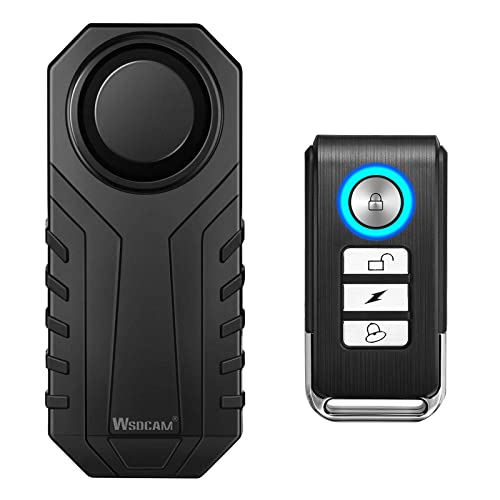
- WEIGHT: 113 g / 4 oz
- FEATURES: Waterproof, Remote Control, Sensitivity Settings
- LOUDNESS: 113 dB
BEST TENT ALARM
The Wsdcam 113dB Bike Alarm Wireless Vibration Motion Sensor isn’t a padlock, but after testing it I think it deserves a place here because it addresses something a normal lock cannot.
A padlock doesn’t tell you somebody is tampering with your tent. A vibration alarm does.
The alarm responds to movement and vibration and can be armed or disarmed using the remote control. Its sensitivity is adjustable, which matters when attaching it to something that naturally moves in the wind.
I would experiment with the sensitivity and positioning before leaving it armed. Once set up correctly, however, somebody interfering with the tent suddenly has a very loud problem.
I like it best when used alongside a visible tent lock rather than instead of one. The padlock provides the initial deterrent and the alarm adds another layer if somebody ignores it.
Using the two together is one of the better ways I have found to improve security when leaving a tent unattended without carrying anything particularly bulky.
How to Lock a Tent
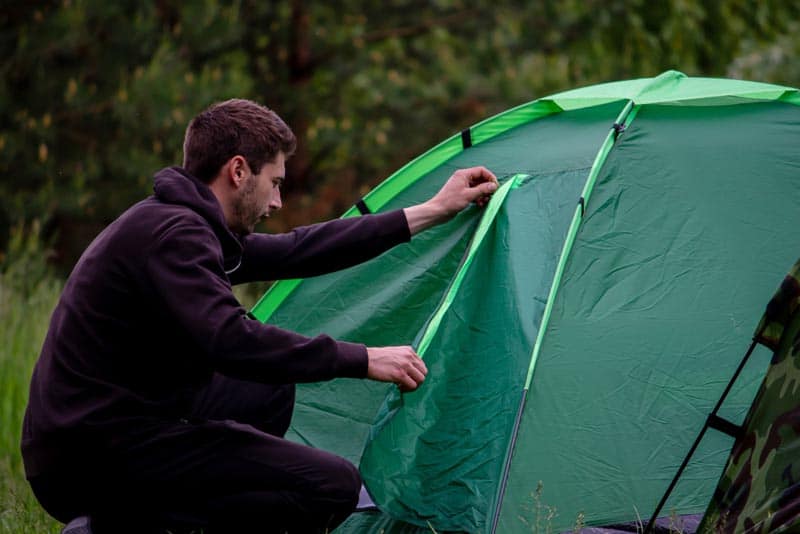
Most tents are locked through the holes or loops in the zipper pulls. If your tent has two zippers on the door, bring them together and pass the shackle or cable through both.
Don’t pull the zippers tightly together just to make a lock fit. Tent zippers aren’t designed to support much sideways force.
- Close the tent door completely and bring the two zipper pulls together.
- Check that the holes are large enough for your chosen lock.
- With a cable lock, thread the flexible cable through both zipper pulls.
- With a rigid shackle, carefully pass it through both holes without putting excessive tension on the zip.
- Close the lock and give it a gentle pull to check it has engaged.
If your tent only has one usable zipper pull, you will need another suitable attachment point close enough to the zip.
Should a Tent Lock Be Visible?
On a normal campsite, I generally prefer the lock to be visible because its main value is as a deterrent.
At a festival, however, I am more cautious. A conspicuous lock might advertise that you have something valuable inside, so I may use a small lock and position it more discreetly.
There isn’t a universal right answer. It depends on where you are camping and whether visibility is more likely to discourage or attract attention.
How to Lock a Tent at a Festival
If I’m locking a tent at a festival, I strongly prefer a combination lock. Tiny padlock keys are incredibly easy to lose among pockets, crowds and grass.
I would also avoid leaving anything genuinely irreplaceable inside the tent. A lock discourages somebody from opening the zipper but doesn’t turn the tent into secure storage.
How to Lock a Tent at Night
A tent lock can also be used while you are sleeping inside.
Here I am less concerned about theft and more interested in preventing somebody from quietly sliding the zipper open without waking me.
If you secure the zips from inside, make absolutely sure you can release the lock quickly in an emergency.
Are Tent Locks Actually Worth It?
Yes, as long as you understand their limitations.
A small lock prevents somebody from casually opening an unattended tent in seconds and can make your setup a less convenient target.
For the tiny amount of weight and space involved, I think that makes one worth carrying. I wouldn’t, however, use a tent lock as justification for leaving passports, large amounts of cash or expensive electronics unattended.
Benefits of Locking a Tent
The main benefit is simple: somebody can’t casually unzip your tent without first dealing with the lock.
A visible padlock can also work as a deterrent. Someone looking for an easy opportunity may decide an unlocked tent nearby is less hassle.
When sleeping inside, a lock can also make it harder for somebody to quietly open the door without disturbing you.
Downsides of Locking a Tent
A visible lock can sometimes suggest that there is something valuable inside.
There is also a limit to how much security any lock can provide when attached to fabric. This is why I see tent security as a combination of sensible campsite choice, keeping valuables with you and using a lock as one extra layer rather than relying on it completely.

Cable Locks Vs Solid Shackles for Tents
I’ve tested both styles and there is a clear trade-off.
Cable locks are easier to use. Their flexibility lets you thread them through zipper loops that don’t line up perfectly and generally puts less sideways tension on the zip.
Solid steel shackles are harder to cut. A small braided cable can potentially be defeated with the right cutting tool, whereas a similar solid steel shackle generally takes more effort.
For most tents, ease of use matters more to me than extreme lock strength. If your zipper pulls line up properly, though, I prefer the solid shackle of the ABUS 145.
Combination Locks Vs Key Padlocks for Tents
I prefer combination locks for camping.
They remove the problem of keeping track of a tiny key while hiking, camping or spending the day away from your tent.
A three-digit combination is usually enough for this purpose. Four digits give you more possible codes, but I care more about how easy the lock is to use and whether it fits the tent properly.
The downside is that combination mechanisms can become stiff when repeatedly exposed to dirt and bad weather, so I avoid leaving them outside unnecessarily.
What to Look for in a Tent Lock
After testing different designs, these are the features I think matter most.
1. Shackle Diameter
Check this first. A brilliant lock is useless if the shackle won’t fit through the hole in your zipper pull.
The locks I prefer generally have cables or shackles around 3–4 mm thick, which works with many tent zips while still providing a useful physical barrier.
2. Weight
More weight isn’t necessarily better.
Tent doors and zipper sliders are lightweight, and hanging a big metal lock from them can put unnecessary strain on the zip. For simply connecting two tent zippers, I want the smallest lock that does the job.
3. Cable Vs Rigid Shackle
If your zipper pulls are awkwardly positioned, choose a cable lock.
If they line up closely and have reasonably sized holes, a rigid steel shackle provides a tougher connection.
4. Combination Vs Key
I recommend combination locks because there is nothing extra to carry or lose.
Set a memorable code but avoid obvious combinations such as 0000 or 1234.
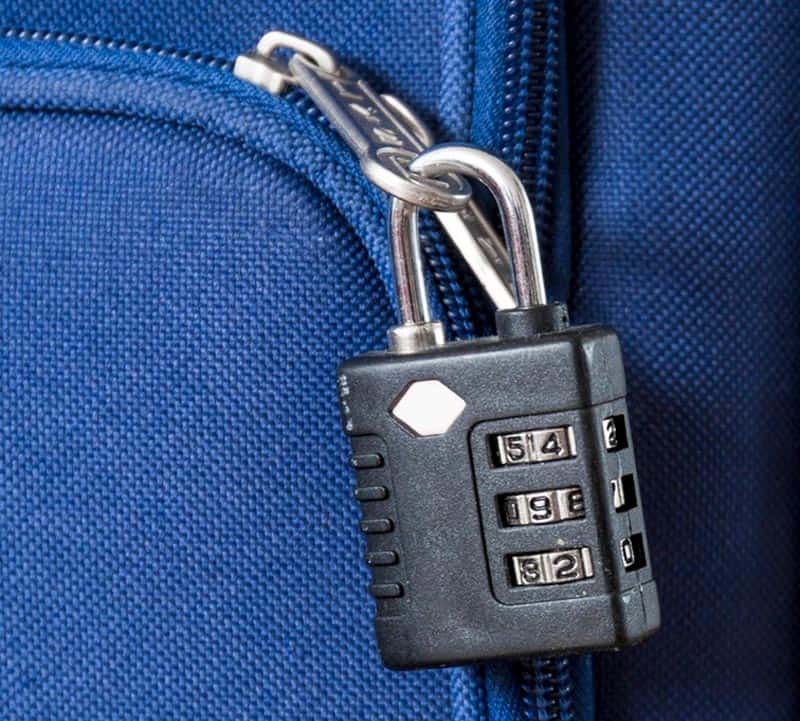
5. Visibility
For normal camping, I see bright colors as an advantage because the lock is partly a visual deterrent.
At festivals or anywhere a lock might advertise valuables, I may deliberately make it less obvious.
6. Weather Resistance
Camping equipment inevitably gets damp.
I prefer metal-bodied locks with corrosion-resistant components and avoid leaving the mechanism permanently exposed to bad weather when it isn’t necessary.
7. Ease of Use
This matters more than it sounds.
If a lock is awkward to fit every time you close the tent, you eventually stop using it. This is why flexible cable designs score highly despite solid shackles generally being harder to cut.
Should You Lock a Tent from the Inside or Outside?
Both can make sense.
When leaving a tent unattended, locking it from outside provides a visible deterrent and prevents somebody simply opening the door.
When sleeping inside, securing the zipper pulls can prevent someone quietly opening them without waking you.
If you lock yourself in, however, you must be able to release the lock quickly. Don’t create a locking setup that could delay you in an emergency.
Can a Tent Lock Stop Someone Cutting the Tent?
No.
A tent lock is designed to secure the zipper, not make the surrounding fabric impenetrable. That is also why I don’t recommend carrying a huge high-security padlock for this job.
The aim is to discourage opportunistic access rather than turn your tent into a safe.
How to Prevent Your Tent from Being Stolen

Locking the door doesn’t stop somebody simply taking an unattended tent.
The P-Locks Theft Deterrent Anchoring System and Ground Anchor takes a different approach by providing an additional anchor point in the ground.
The spiral anchors can form part of a cable or padlock setup, making it considerably more awkward for somebody to simply lift or remove whatever you have secured.
I wouldn’t describe any tent ground anchor as theft-proof, but adding another obstacle makes an opportunistic theft much less convenient.
My Verdict: Which Tent Lock Would I Buy?
After testing the different styles in this guide, I would keep the choice simple.
For most tents, I would buy the ABUS 145/20. It is incredibly light, highly visible and uses a proper solid steel shackle without being excessive for a tent zipper.
If your zipper pulls are too awkward or too far apart for a rigid shackle, I would choose the Master Lock 4697. Its flexible cable is easier to thread through almost any zipper arrangement.
For a smaller and lighter cable option, the Master Lock 4688D is hard to fault.
If security is a particular concern, I would rather add a vibration alarm alongside one of these locks than simply attach a much larger padlock.
A small lock that takes seconds to fit can remove the easiest opportunity for somebody to casually unzip your tent, and for me that makes carrying one worthwhile.
If you have used any of these locks on a tent or have a tent-security trick that has worked well for you, let me know in the comments.