Can you go hiking in sweatpants? Absolutely. They’re not the first choice for every hike, but sweatpants can be perfectly good for short walks, casual hikes and cool, dry weather. Lightweight synthetic joggers can even work surprisingly well in warmer conditions, while thick cotton sweatpants are best kept for easier hikes where getting soaked isn’t a serious risk.
Hikes can be a last-minute decision. An impromptu phone call can have you heading out for a walk before you’ve had a chance to dig out your favorite walking pants.
Sweatpants are a favorite go-to for plenty of people on their days off. They’re comfortable, stretchy and warm, so it’s hardly surprising people end up hiking in them too.
The question isn’t really whether you can hike in sweatpants. You obviously can. The more useful question is when they’re a good choice and when proper hiking trousers are going to make your life easier.
Can You Go Hiking in Sweatpants?
This might upset a few hiking purists, but yes, you can absolutely go hiking in sweatpants.
For a short hike in cool, dry weather, there is nothing inherently wrong with them. If they’re comfortable, let you move freely and you aren’t expecting rain, they may be all you need.
Where I would be more cautious is on long, exposed or technical hikes where getting wet could become more than an inconvenience. Thick cotton sweatpants can absorb a lot of moisture and take ages to dry, which is exactly what you don’t want if the temperature drops or the wind picks up.
For casual hiking, though? Wear the sweatpants and enjoy yourself.
Benefits of Hiking in Sweatpants
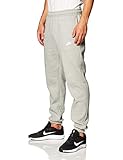
Sweatpants aren’t specialist hiking equipment, but they do have some genuine advantages on the right kind of trail.
Comfortable
We all know how comfortable sweatpants are. If the choice is between going for a hike in comfortable joggers or sitting at home because you don’t have the “right” trousers, I know which one I’d choose.
Soft fabrics, elastic waistbands and plenty of room around the knees make them naturally easy to walk in.
Warm
Thicker sweatpants are brilliant in cool weather. Fleece-backed joggers in particular can feel fantastic on a crisp autumn day when lightweight hiking trousers might feel a bit too thin.
I wouldn’t rely on ordinary sweatpants as serious winter mountain clothing, but for cold casual walks they can be wonderfully cosy.
Affordable
You probably already own a pair. That’s a pretty big advantage compared with buying another set of specialist outdoor trousers for something you only do occasionally.
If you’re just starting hiking, there is no reason you need to replace your entire wardrobe before you’re allowed onto a trail.
Lots of Movement
Most sweatpants have an elasticated waist, stretchy fabric or a loose enough cut that movement isn’t restricted. That works surprisingly well for stepping over logs, scrambling up steep sections and generally moving naturally.
The last thing I want while hiking is a pair of trousers fighting me every time I lift my knee.
Easy to Layer
Loose sweatpants can also work well over a thin base layer when the weather is cold. That gives you extra warmth without needing bulky insulated trousers.
Just remember that if the outer sweatpants are cotton, rain can still turn the whole setup into a soggy mess fairly quickly.
Downsides to Hiking in Sweatpants
So far, so good. Unfortunately, sweatpants still aren’t going to replace proper hiking trousers for every trip.
Cotton Sweatpants Hold Moisture
This is the biggest problem with traditional sweatpants. Thick cotton absorbs water, becomes heavy and dries slowly.
If you get caught in rain, walk through wet vegetation or simply sweat heavily, cotton joggers can stay damp for a long time. Add cold wind and suddenly those unbelievably comfortable trousers don’t feel quite so clever.
This is where synthetic sweatpants are very different. Polyester does not absorb anywhere near as much water into the fiber itself and can dry much faster than cotton, especially when the fabric is lightweight and designed for exercise.
Some Designs Aren’t Very Durable
Hiking trousers are usually built to handle abrasive rock, thorns, rough vegetation and repeated contact with the trail. Ordinary lounge sweatpants aren’t.
That doesn’t mean they’ll instantly fall apart, but repeated hiking can wear soft fleece and lightweight jersey fabrics much faster than purpose-built outdoor trousers.
Bulky
This matters more if you’re carrying them than wearing them. Thick fleece sweatpants can take up a ridiculous amount of backpack space compared with lightweight hiking trousers.
For a day hike, who cares? For a multi-day backpacking trip where every litre of pack space matters, it starts becoming annoying.
Can Be Too Warm
Thick sweatpants can become roasting on a warm climb. If the fabric is heavy and the fit is loose but not particularly breathable, you’ll start sweating quickly.
This is where lightweight athletic joggers are much better than traditional cotton fleece. They can feel more like running trousers than lounge pants and may actually work very well for hiking.
Usually Not Windproof
One thing you notice quickly on exposed ground is how easily wind passes through ordinary sweatpants. That comfortable soft fabric often provides almost no wind resistance.
A proper pair of hiking trousers can still breathe while cutting enough wind to keep you much more comfortable on ridges and summits.
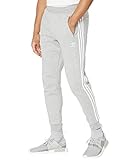
Cotton vs Polyester Sweatpants for Hiking
If you’re choosing sweatpants specifically for hiking, this is probably the most important distinction.
Cotton Sweatpants
Cotton sweatpants are soft, warm and comfortable. They’re great for easy walks in dry weather and especially nice when it’s cool outside.
The problem starts when they get wet. Cotton absorbs a lot of moisture and dries slowly, so I wouldn’t choose heavy cotton sweatpants for exposed hiking where rain, cold or strong wind are realistic possibilities.
Polyester Athletic Sweatpants
Lightweight polyester joggers are a completely different animal. Good athletic fabrics can move sweat away from the skin, dry quickly and provide enough stretch for hiking.
They still may not have the abrasion resistance, weather protection or pocket layout of technical hiking trousers, but for many ordinary day hikes they can work perfectly well.
What to Look for in Hiking Sweatpants
If you want sweatpants that can double as hiking trousers, these are the features I’d look for.
Quick-Drying Fabric
Synthetic fabrics such as polyester or nylon blends are usually the best option. A lightweight synthetic jogger will generally cope with sweat and light rain much better than thick cotton fleece.
If you regularly hike somewhere wet, quick drying is probably more useful than extra warmth.
Moisture-Wicking
Many athletic sweatpants are specifically designed to move sweat away from the skin. That’s useful during steep climbs where even cold weather can have you sweating heavily.
I wouldn’t assume every polyester fabric automatically wicks brilliantly, but activewear designs generally do a much better job than cotton lounge pants.
Warm or Lightweight
This depends entirely on the conditions. Thick fleece-lined joggers are lovely in cold dry weather, while lightweight athletic pants are far more comfortable when temperatures rise.
Trying to make one pair do absolutely everything usually leads to compromise.
Wind Resistance or Breathability
Again, there is a trade-off. A tightly woven synthetic fabric can cut more wind but may feel warmer, while a lighter open fabric breathes better but offers less protection on exposed ground.
For general hiking, I like enough wind resistance that a breeze doesn’t go straight through the trousers without turning them into a sweaty plastic bag.
Good Fit
Your sweatpants should be loose enough to allow full movement but not so baggy that they flap around or catch on everything you walk past.
Tapered joggers often work surprisingly well because they give you room around the hips and thighs without leaving loads of excess fabric around the ankles.
Drawstring Waist or Belt Loops
A secure waistband sounds trivial until your pockets are full and your trousers start migrating towards your knees halfway up a hill.
A decent drawstring solves most of that problem. Belt loops are less common on sweatpants, but they’re useful if you want to carry heavier items in the pockets.
Zipped Pockets
Phones, keys, snacks and gloves all have an impressive ability to fall out of ordinary open pockets while you’re climbing over something.
Zipped pockets are one of the most useful features you can have on hiking sweatpants. I’d choose them every time.
Reinforced Knees and Seat
If you expect to scramble, sit on rough ground or push through vegetation, reinforced areas can dramatically increase durability.
Most ordinary sweatpants don’t have them, but some outdoor-inspired or workwear joggers do.
Gusseted or Diamond-Cut Crotch
A diamond-cut crotch, usually called a gusseted crotch, gives you more freedom of movement than a simple straight seam.
These are common in outdoor trousers and increasingly found in athletic pants too. If you’re climbing over large steps, scrambling or stretching your legs across gaps, you’ll appreciate the extra movement and strength.
Otherwise you could end up with more ventilation than you had hoped for.
Are Sweatpants Good for Hiking in Summer?
Heavy cotton sweatpants would be one of my last choices for hot summer hiking. They’re warm, bulky and likely to become soaked with sweat.
Lightweight synthetic joggers are different. If they’re thin, breathable and quick-drying, they can be perfectly comfortable in warm weather and may offer useful sun and insect protection compared with shorts.
Are Sweatpants Good for Hiking in Winter?
For a cold, dry casual hike, thick sweatpants can be lovely. They’re warm and comfortable and may be all you need on an easy trail.
For proper winter mountain conditions, I would rather have hiking trousers with wind resistance and a suitable base layer underneath. Cotton sweatpants getting wet in freezing conditions is not a combination I would deliberately choose.
Are Sweatpants Better Than Jeans for Hiking?
In most situations, yes. Sweatpants generally offer far more freedom of movement and are usually lighter and more comfortable than jeans.
Cotton jeans and cotton sweatpants share the same major weakness though: once they’re saturated, both can become heavy and slow to dry.
If your sweatpants are lightweight synthetic athletic joggers, I’d take them over jeans for hiking every single time.
Sweatpants vs Hiking Pants
Proper hiking trousers still win when conditions become more demanding. They are generally tougher, lighter for the protection they provide, faster drying and better at dealing with wind, light rain and abrasion.
But that doesn’t mean you need specialist hiking trousers for a two-hour walk around local trails. Sweatpants can be completely adequate and considerably more comfortable.
Use the conditions and route to decide rather than worrying about whether you’ll look like a “proper hiker.”
When Should You Avoid Hiking in Sweatpants?
I would leave thick cotton sweatpants at home if I expected prolonged rain, strong wind, freezing temperatures, rough scrambling or a long route where turning around quickly isn’t an option.
Those are the situations where technical hiking trousers stop being outdoor-fashion nonsense and start genuinely earning their place.
Final Thoughts
Can you hike in sweatpants? Absolutely. For short hikes, casual trails and dry weather, they can be one of the most comfortable options you own.
The big question is what they’re made from. Thick cotton fleece is brilliant until it gets soaked, while lightweight polyester athletic joggers can perform surprisingly well and dry much faster.
You don’t need to dress like you’re climbing Everest every time you go for a walk. If the weather is decent and the trail isn’t particularly serious, wear your sweatpants and get outside.